High-speed centrifugal spray dryer
Overview:
LPG series high-speed centrifugal spray drying is the most widely used process in liquid process formation and drying industries. It is most suitable for producing powdered and granular products from emulsion, suspension solution, and pumpable paste liquid raw materials. When strict requirements are placed on physical properties such as particle size distribution, moisture content, bulk density, and particle shape of the product, spray drying is an extremely suitable process. Our factory's design and manufacturing capabilities for large centrifugal spray dryers have reached a diameter of 11 meters and a spray liquid volume of 10 tons per hour. Our factory will design different configurations according to the characteristics of different materials.
Working Principle:
The feed solution is fed into the centrifugal atomizer installed at the top of the drying tower, where it is sprayed into extremely small droplets by the high-speed rotating atomizing disc. Simultaneously, hot air is distributed in a spiral pattern and evenly spread within the drying tower through the hot air distributor installed at the top. The two streams fully and co-currently contact each other, causing rapid evaporation of water and drying the material into finished products in a very short period of time. The finished products are continuously discharged from the bottom of the drying tower through a cyclone separator (bag filter), while the exhaust gas is evacuated by a fan.
Features:
▲Quick drying speed, suitable for heat-sensitive materials;
▲The product is spherical particles with uniform particle size, good fluidity, good solubility, high purity, and good quality;
▲The product is formed in one step without crushing and screening, and the process control is automated, making the production process simple and easy to operate;
The particle size, bulk density, and moisture content of the product can be adjusted within a certain range;
▲With a wide range of applications, it can be used for both hot-air drying and cold-air granulation according to the characteristics of the material, demonstrating strong adaptability to different materials.
Adaptation materials
Food industry: whole milk powder, whey protein, cocoa powder, milk substitute powder, egg white (yolk), etc.
Food and plants: oats, chicken broth, coffee, instant tea, seasoning spices, meat, protein, etc.
Carbohydrates: corn steep liquor, corn starch, glucose, pectin, maltose, potassium sorbate, etc.
Pharmaceutical products: Chinese herbal extract, gelatin, yeast, vitamins, antibiotics, amylase, etc.
Plastic resins: AB, ABS lotion, phenolic resin, formaldehyde resin, polyvinyl chloride, etc.
Chemical industry: basic dyes, dye intermediates, catalysts, amino acids, white carbon black, etc
Ceramics: alumina, tile materials, magnesium oxide, talc, etc
 ch
ch English
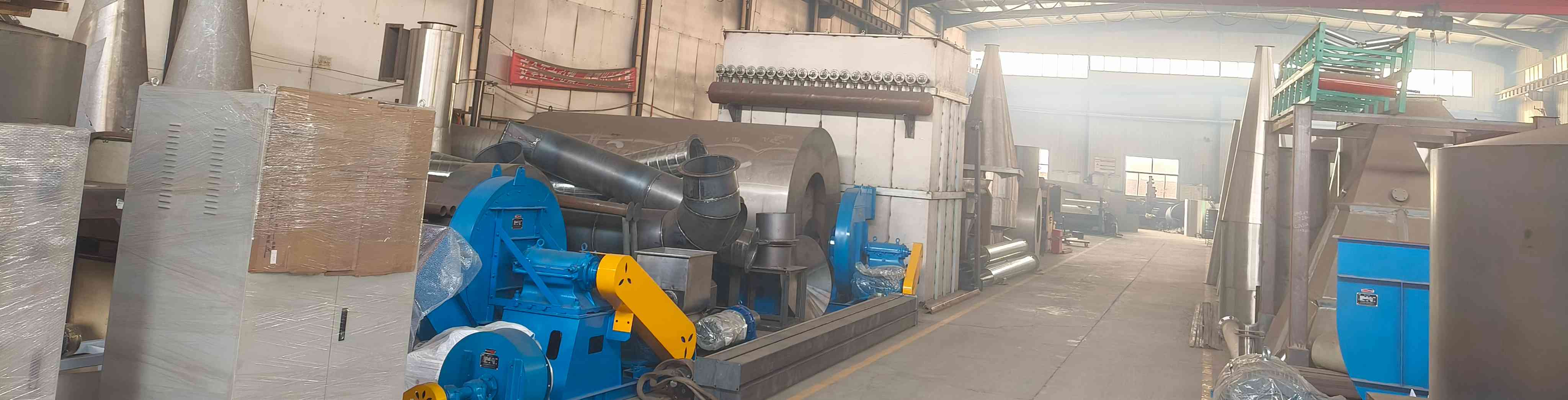
.jpg "Centrifugal spray dryer")