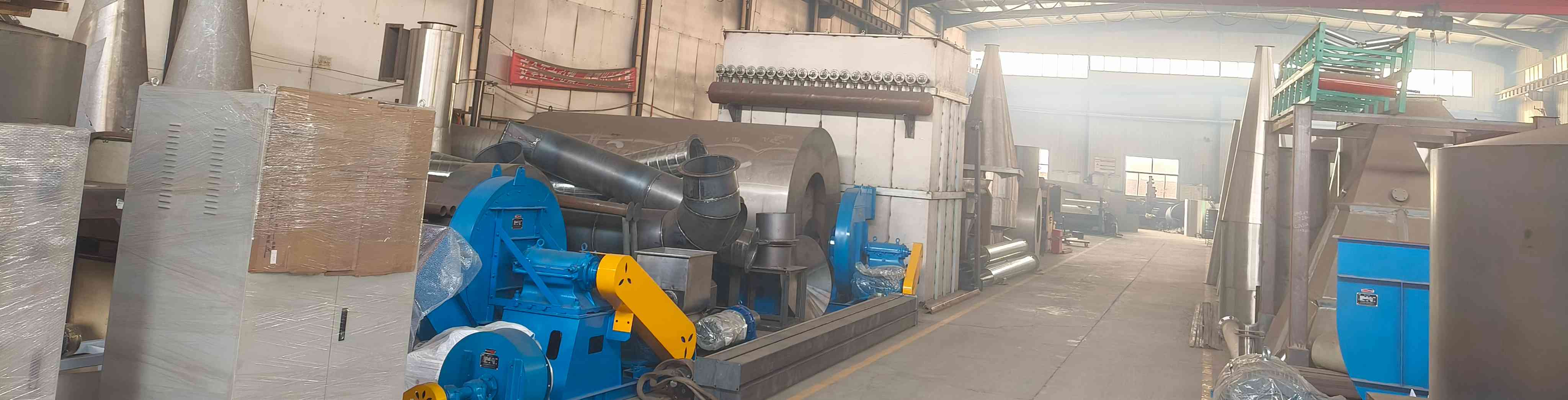
Direct fired hot blast stove
Direct fired hot blast stove is a device that generates hot air through direct combustion of fuel, with high efficiency, energy saving and other characteristics, widely used in multiple fields. The direct fired furnace designed and manufactured by our company has obtained a national patent. Here is its detailed information:
working principle
Fuel combustion: Fuel is burned in a combustion device, producing high-temperature combustion gases.
Mixing and Heating: High temperature combustion gases mix with external air to form hot air at the desired temperature.
Material contact: Hot air directly comes into contact with the dried material, heating and evaporating moisture to achieve drying or baking.
Applicable fuel
Solid fuels: such as coal and coke.
Liquid fuels: such as diesel, heavy oil, and alcohol based fuels.
Gas fuels: such as coal gas, natural gas, and liquid gas.
feature
Efficient and energy-saving: With high thermal efficiency, fuel consumption is reduced by about half compared to steam or indirect heaters.
Direct heating: Hot air comes into direct contact with the material, with a fast heating speed.
Compact structure: No need for complex heat exchangers.
Temperature control: Accurate temperature control can be achieved by adjusting the fuel supply and air mixing ratio.
Application field
Industrial drying: such as grain, food, chemicals, building materials, etc.
Industrial heating: such as metal heat treatment, baking paint, etc.
Agricultural drying: such as seeds, feed, fertilizers, etc.
Other fields: such as exhaust gas/wastewater treatment, SCR denitration heating, etc.
Precautions
Fuel selection: Choose the appropriate fuel based on actual needs and costs.
Equipment maintenance: Regularly inspect the combustion device and ventilation system to ensure safe operation.
Environmental requirements: Select equipment that meets environmental standards to reduce pollutant emissions.
Applicable materials: Ensure that the materials allow direct contact with hot air to avoid contamination or damage.
Special Note:
Our company's equipment is a multi-layer sleeve type pure metal structure, without refractory materials, and is a single cantilever structure, which avoids problems such as cracking and detachment caused by different material expansion coefficients and thermal expansion and contraction of traditional equipment. The material in the high-temperature zone is heat-resistant stainless steel (such as 310S), which has a long service life. The thermal efficiency shall not be less than 95%.
 ch
ch English
.jpg "Direct-fired hot blast stove")